



With every brand announcing a color of the year, an accessory of the year, or a year-end recap of what just happened, it’s hard to escape predictions about what’s coming next.
At Method, we don’t claim to have a crystal ball, and we don’t believe the future of design is about playing it safe. Instead, our outlook for 2026 is shaped by the work we’ve done, the clients we’ve partnered with, and the conversations already happening around the table. What we see ahead is not trend-chasing, but a shift toward spaces that are more intentional, adaptable, and human-centered than ever before.
The best design trends of 2026 aren’t about aesthetics alone. They’re about purpose, performance, and people. From intentional color and flexible layouts to smart systems and sustainable strategies, the spaces we’re designing are becoming healthier, more adaptive, and more meaningful. Here are four design trends we believe will define architecture and interiors in 2026.
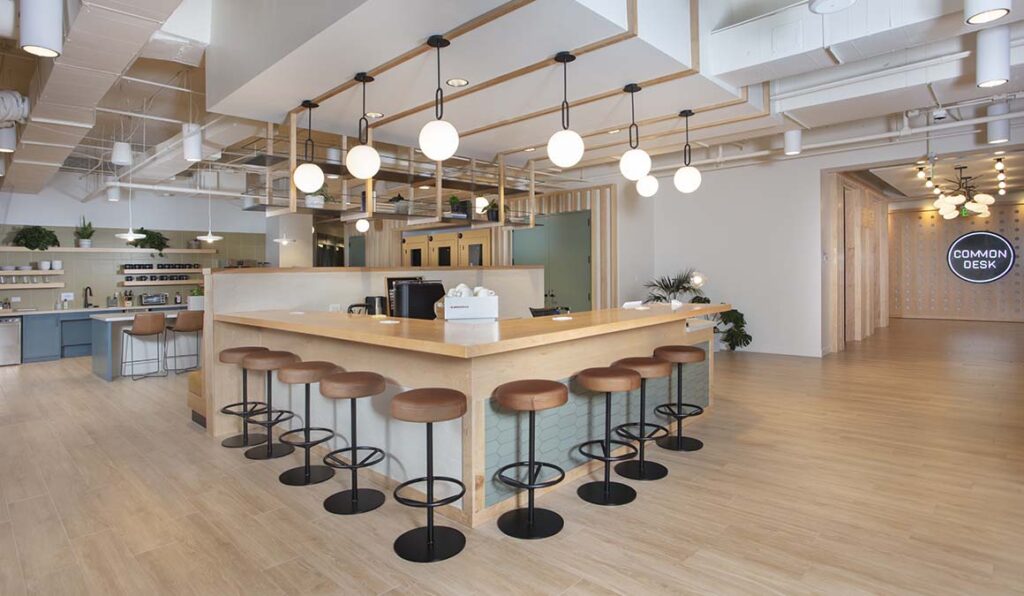
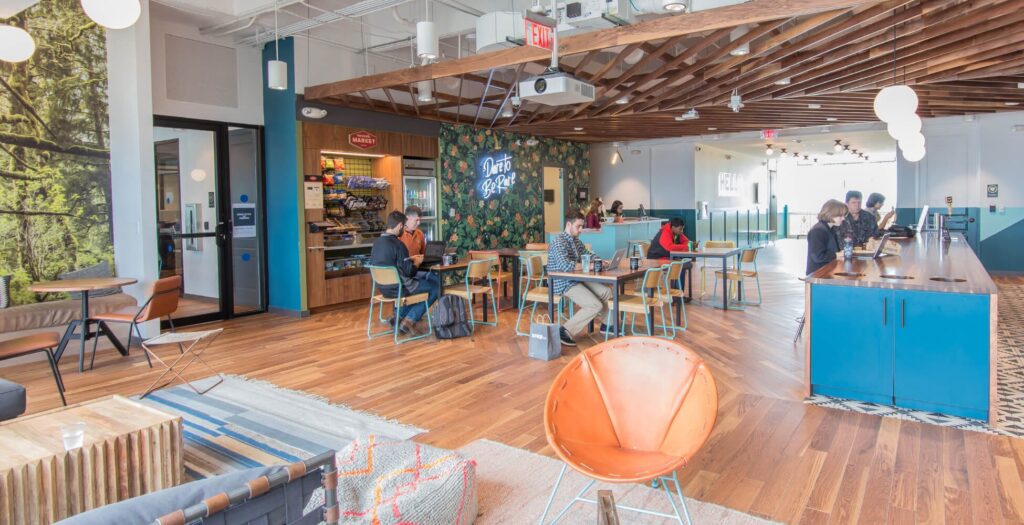
Elevated Experiences Without Sacrificing Efficiency
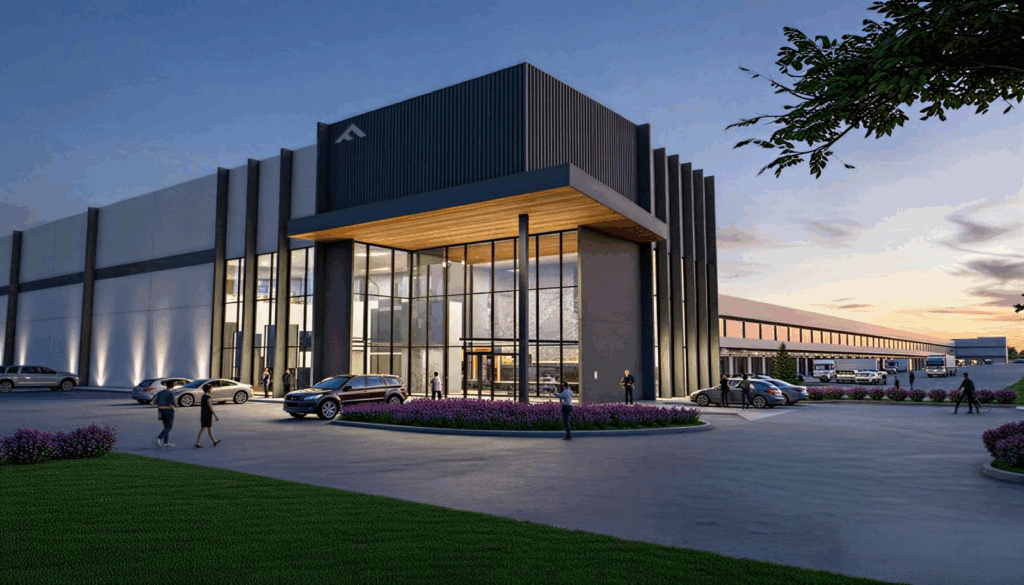
Design in 2026 is about balancing three priorities: elevation, efficiency, and experience. Clients want spaces that feel elevated and memorable, but they also expect efficiency in cost, schedule, and operations. Above all, spaces must deliver a compelling experience: environments that are intuitive, adaptable, and organically marketable.
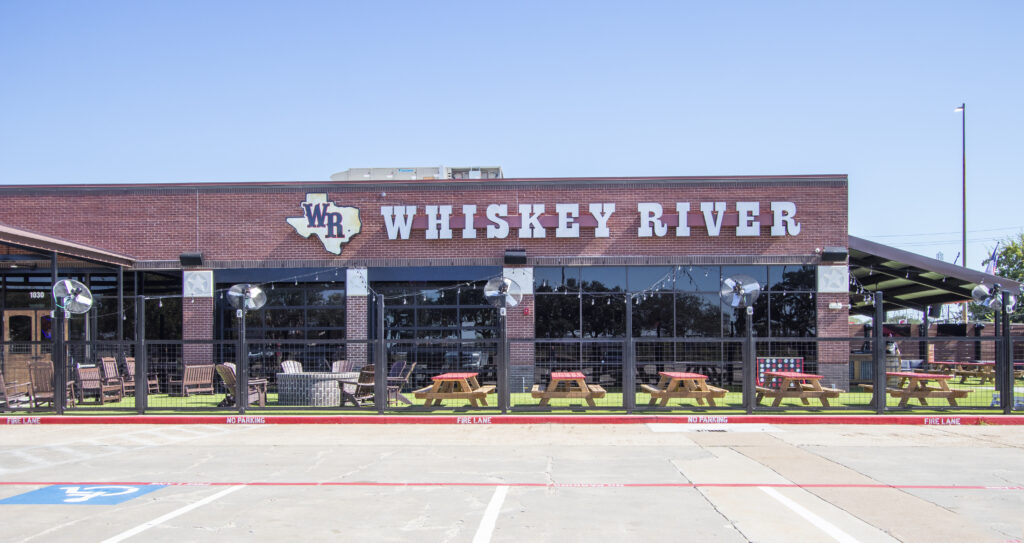
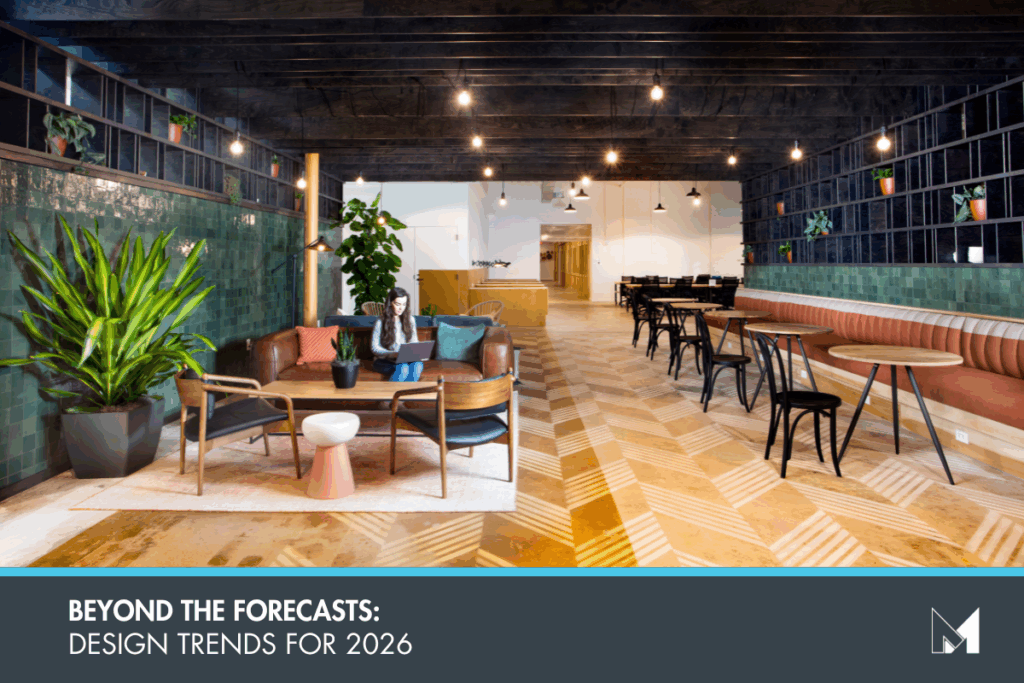
This shift is especially visible in retail, food and beverage, and workplace, where layouts are moving away from transactional models and toward experience-driven design. Think brand storytelling, lounge-style environments, and spaces that invite people to stay, engage, and, most importantly, return.
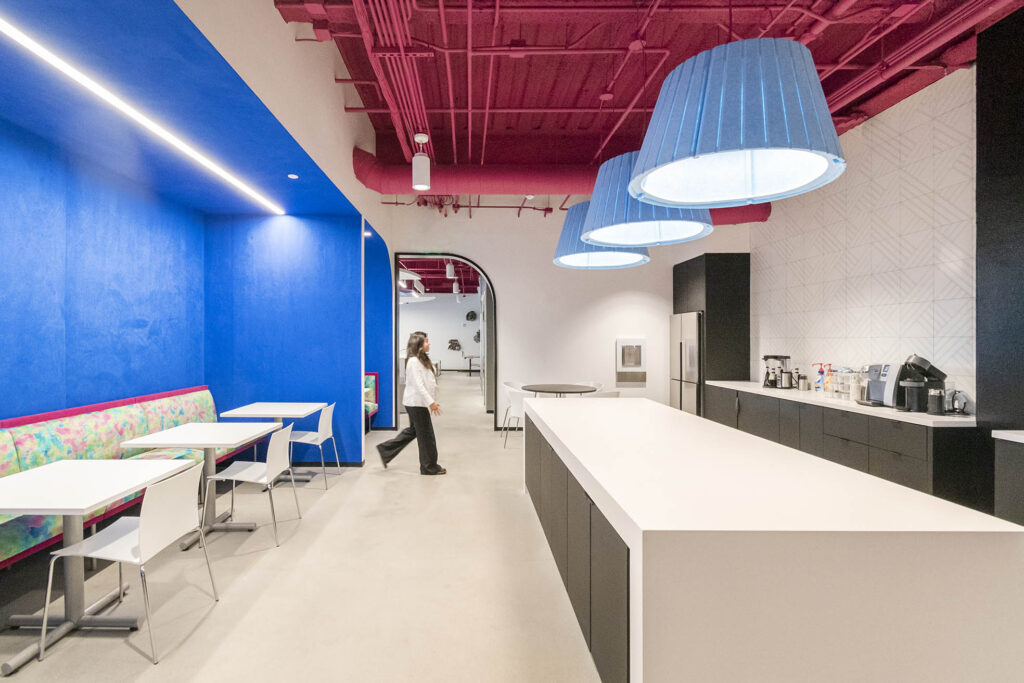
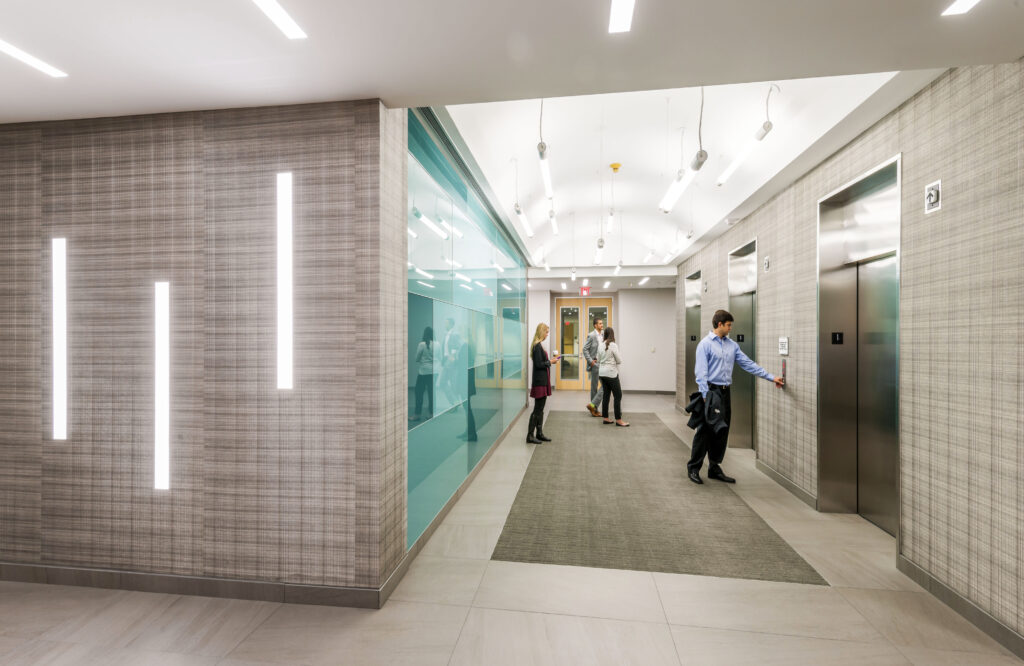
Purposeful Color Replacing the All-Neutral Era
The era of neutral-only interiors is fading. In 2026, we are seeing color return, not as decoration, but as strategy. We see bold and thoughtful palettes influencing mood, productivity, and brand identity. Warmer neutrals are replacing cool greys, often paired with earthy tones and carefully placed accent colors. Color zoning is increasingly used to define different work modes without overwhelming the space. Colors tell us where and when to collaborate, allow us to focus, and provide our eyes and minds with rest.
The key isn’t louder design; it’s intentional color that supports how people move, work, and feel within a space.
Technology as a Design Partner, not a Gimmick
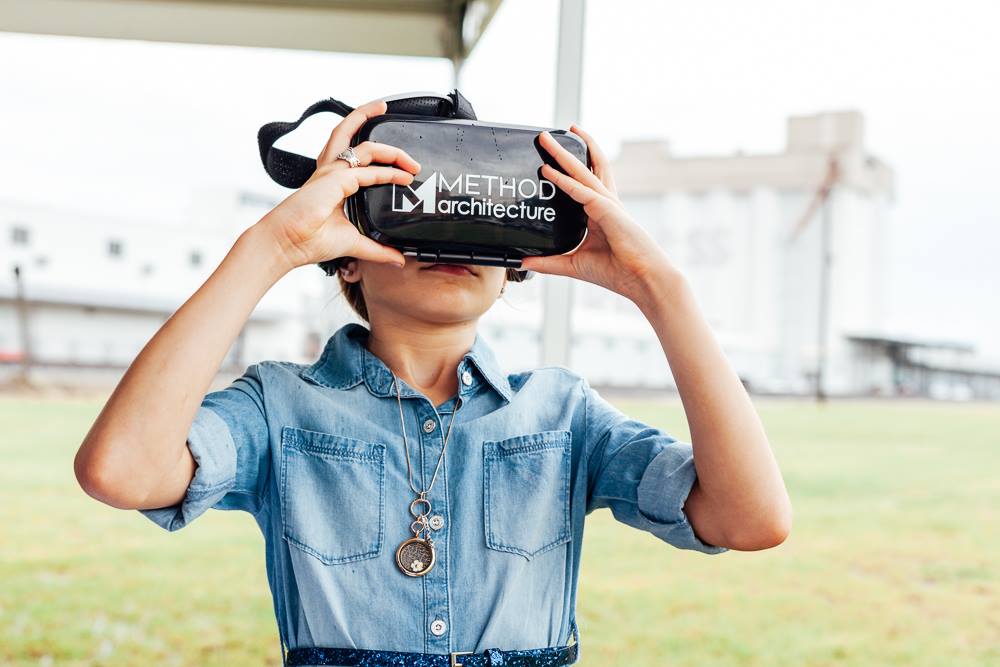
Technology in 2026 isn’t flashy, it’s necessary. Augmented and virtual reality are becoming standard tools for immersive planning, allowing teams and clients to walk through spaces, test finishes, and make informed decisions before construction begins. Generative design tools and AI support the brainstorming process, producing variations that expand creativity but still allow for human judgment.
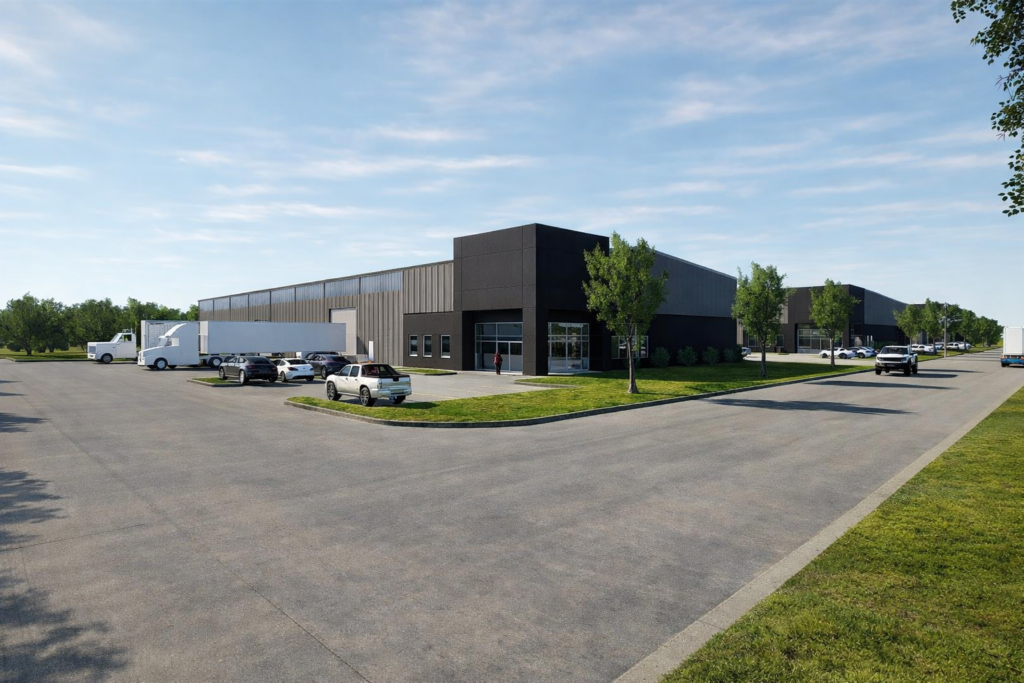
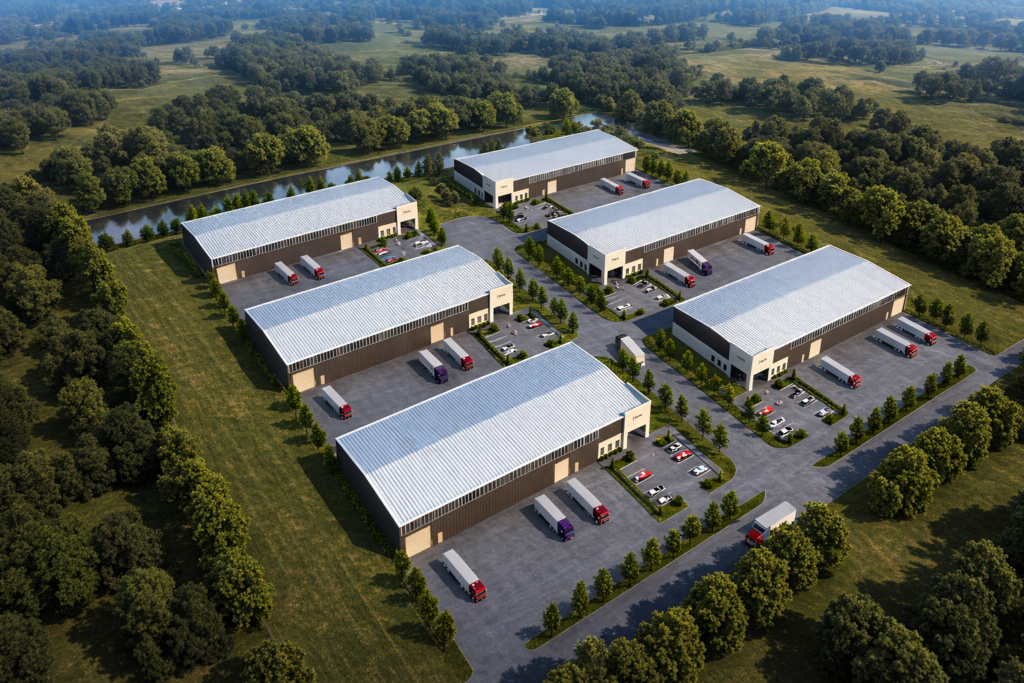
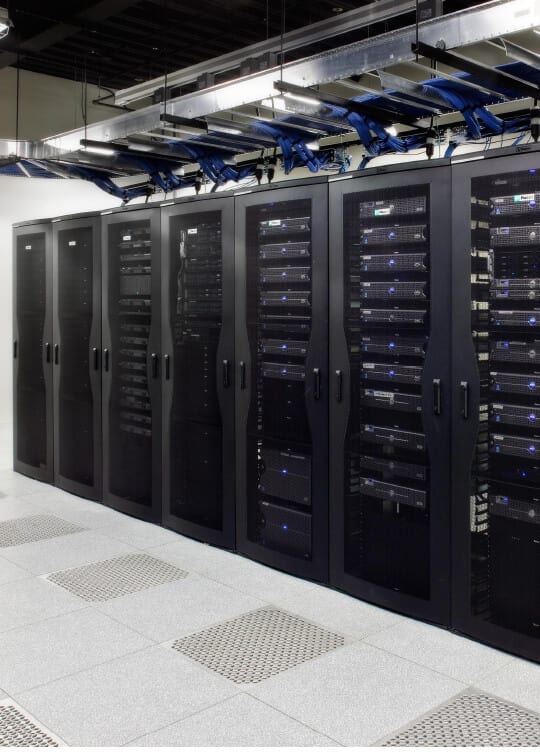
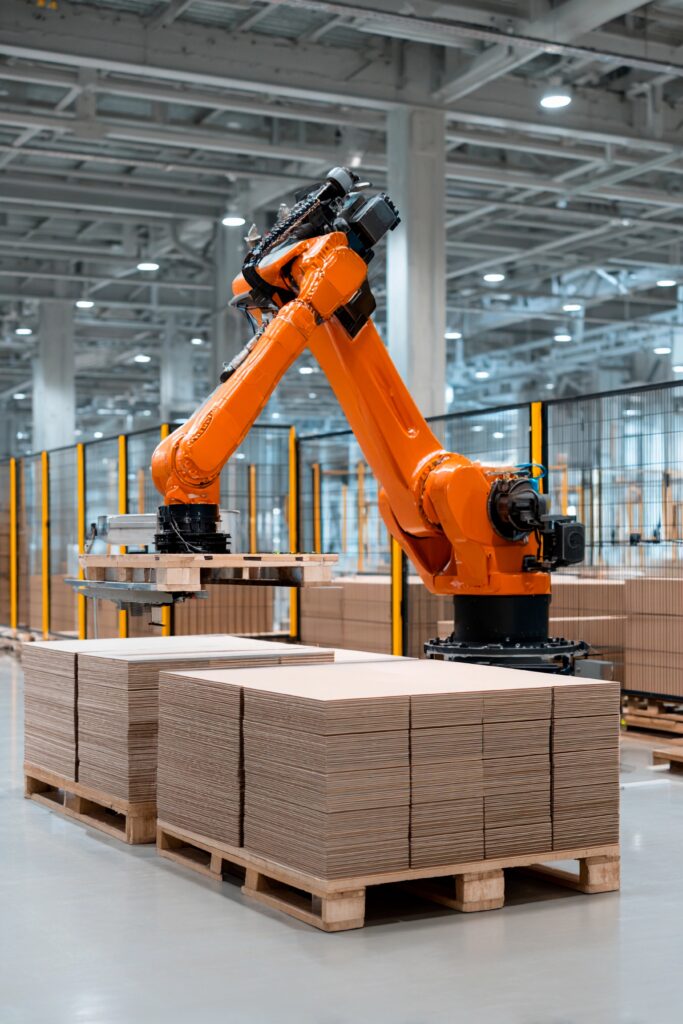
Smart systems like automated lighting, climate control, touchless access, digital wayfinding, and wired furniture enhance both efficiency and daily user experience. These advancements are also shaping new spatial requirements, from taller warehouses to clearly defined automation zones. Technology is no longer layered on top of design; it is fully integrated, requiring close collaboration across all design partners.
Human-Centric and Sustainable by Default
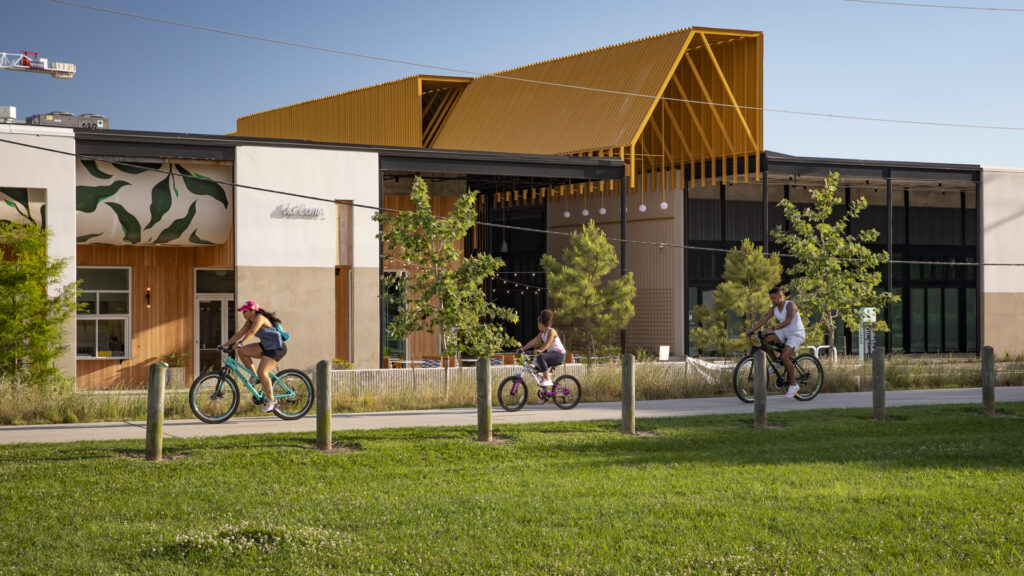
Design in 2026 is fundamentally about people and the planet. Natural light, greenery, organic materials, acoustics, and access to views are no longer optional. These biophilic and human-centric designs continue to grow in popularity, driven by an understanding of how space impacts well-being, productivity, and retention.
Sustainability is also evolving beyond basic green checklists and certifications. Expect greater use of natural and locally sourced materials, low-VOC finishes, energy-efficient systems, modular furniture, and more smart technology that supports long-term performance. Adaptive reuse will show up here as well, giving existing buildings new life while reducing waste and honoring the past.
At Method, we’re excited to keep exploring what’s next guided not by forecasts, but by collaboration, curiosity, and the real needs of the people who use the spaces we design.